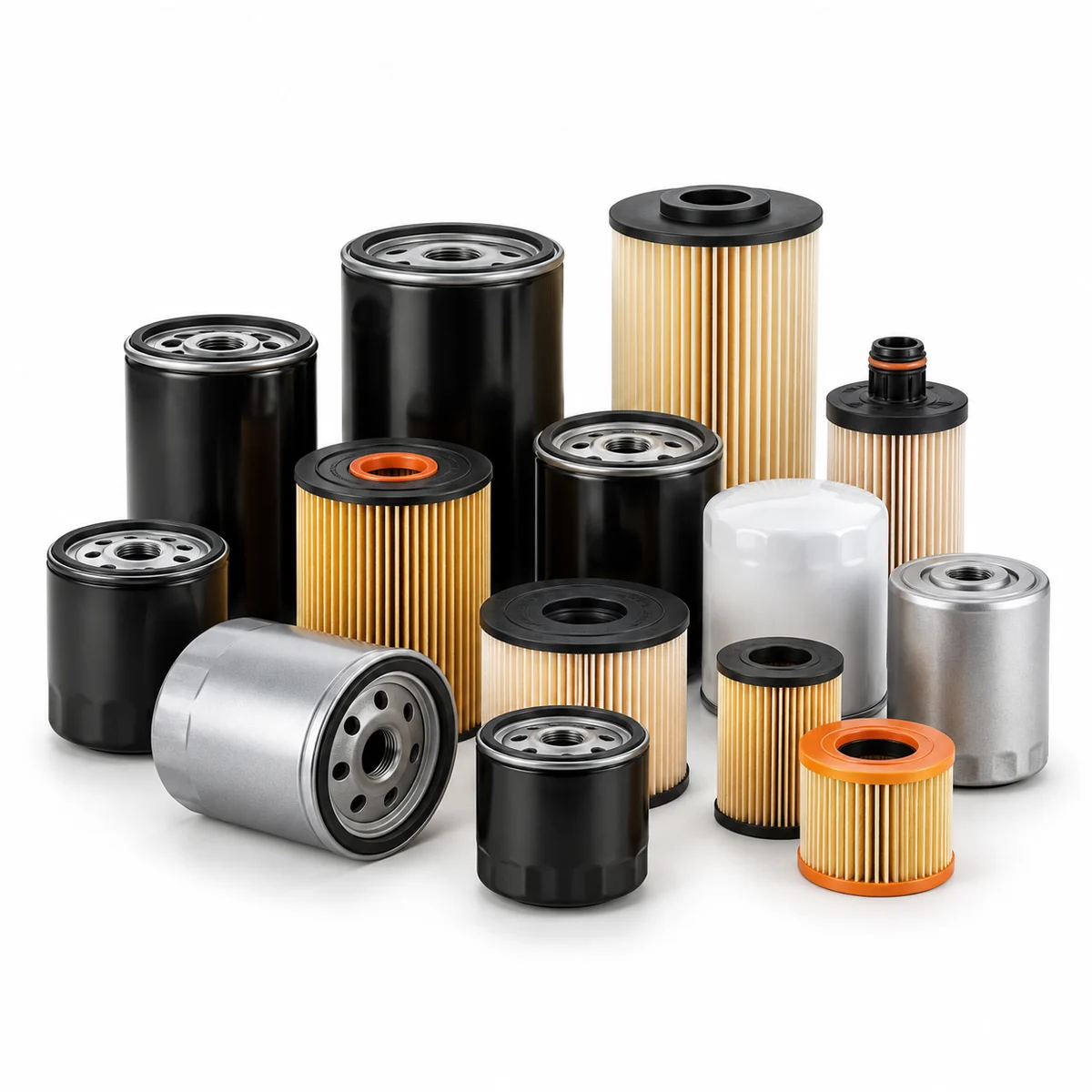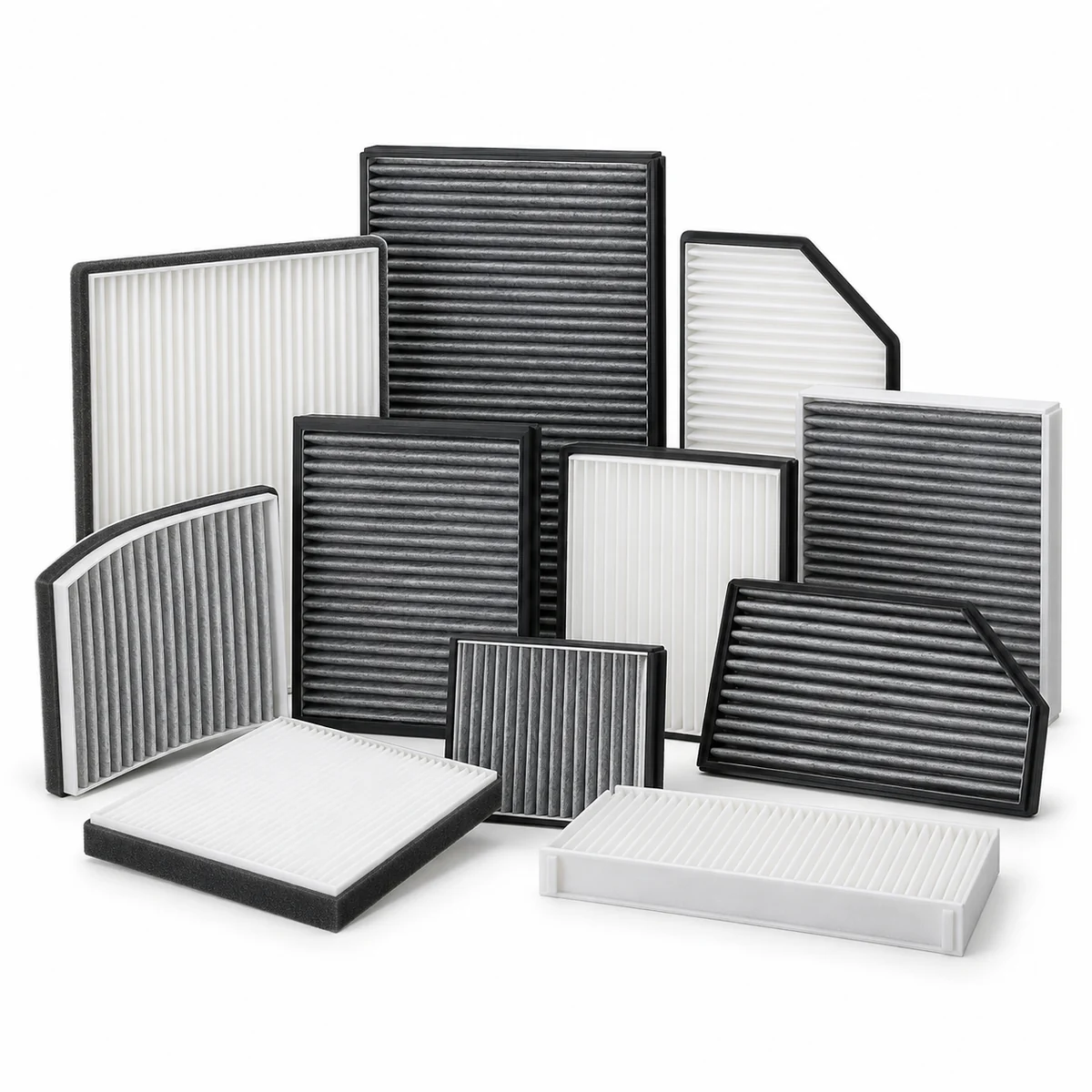
This guide is written for business buyers. Confirm product applications, technical data, commercial terms and market requirements with the selected supplier before ordering.
A private-label filter project is more than placing a logo on a box. The buyer must align product identification, range planning, artwork, packaging, approvals, ordering and repeat-order controls. Decisions made at the start determine how easily the program can scale later.
Define the range before requesting artwork
Begin with a clean reference list. Separate launch items, future items and uncertain cross-references. Add expected annual demand and first-order quantity by reference. This helps both sides evaluate MOQ, packaging quantities and the practicality of the assortment.
State the target market, customer type and sales channel. Packaging for workshop distribution may have different priorities from packaging intended for retail display or e-commerce fulfillment.
Create one controlled product-data sheet
For each item, maintain internal SKU, supplier SKU, OE/OEM references, approved applications, barcode, label name and packaging configuration. Product numbers and technical data should remain controlled across languages and artwork versions.
Prepare a complete brand asset pack
- Vector logo files and approved colors.
- Brand and product naming rules.
- Barcode ownership and number list.
- Required legal, importer or market labels.
- Carton marks, master-carton labels and packing-list requirements.
- Approved language versions and translation responsibility.
Do not approve artwork from a low-resolution screenshot. Use version numbers, record approvals in writing and define which party controls final print files.
Approve product and packaging separately
A technically acceptable filter does not automatically mean the packaging is ready. Review product sample, print proof, individual pack, barcode scan, master carton and transport protection as separate approval points. Record any permitted variation.
Confirm commercial assumptions
Ask for MOQ by product and by packaging component. Clarify sample charges, printing plates or tooling, lead-time starting point, payment terms and the treatment of unused branded packaging. Forecast information can help the supplier discuss practical production and packaging arrangements, but commitments should be written clearly.
Plan repeat orders and changes
Decide how revisions to references, applications, labels and cartons will be communicated. Keep an approval history and require notification before material, construction or packaging changes. Define how obsolete branded packaging and superseded product data will be controlled.
Use a staged launch
Many buyers reduce risk by launching a focused group of references, checking receiving accuracy and market feedback, and then expanding. A staged approach provides evidence about identification, packaging consistency and communication before the range becomes difficult to manage.
Buyer takeaway: treat the private-label program as a controlled product-information and supply project. Confirm technical, commercial and market requirements with the selected supplier before final approval.